
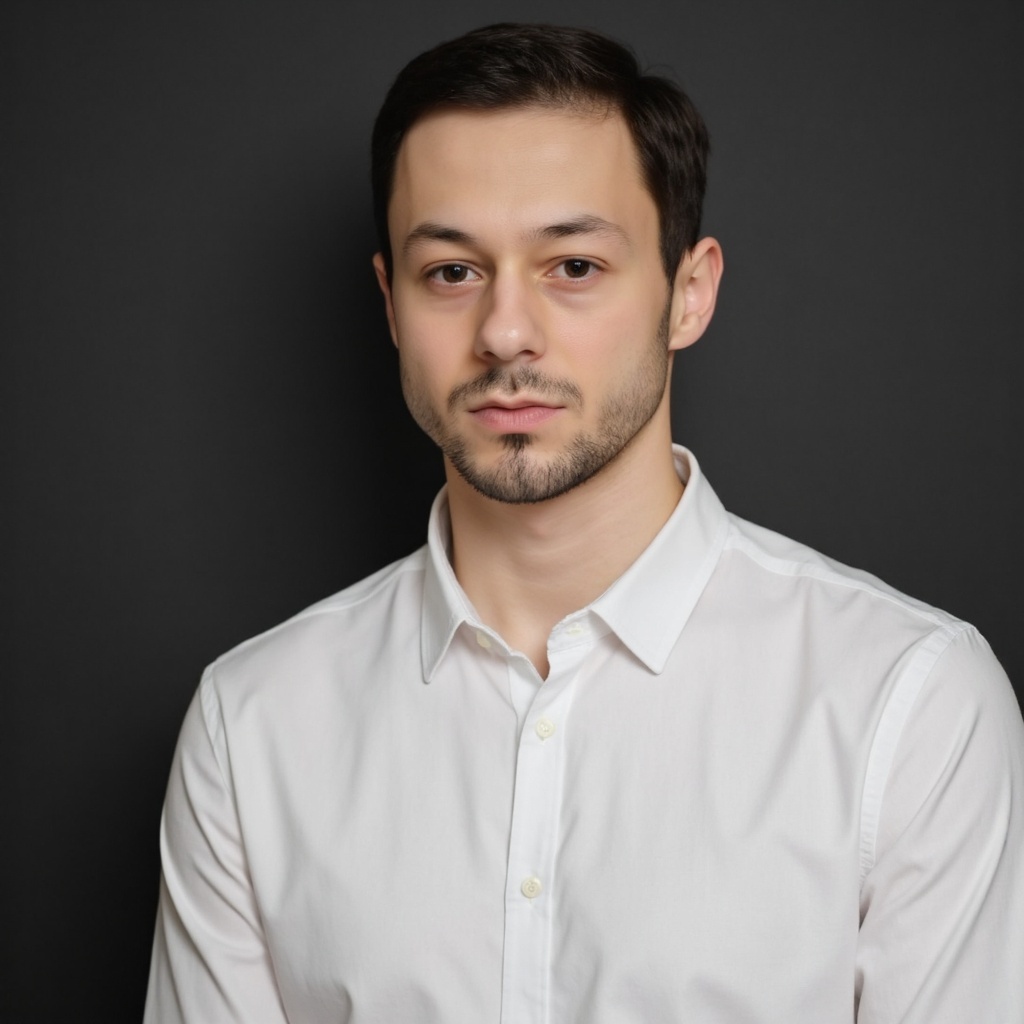
Hristo Angelov
Toxicological Assessment of Ammonia-Powered Ship Engine Emissions – INNO-COMP NH3 Shipping
As part of the research consortium INNO-COMP NH3 Shipping ("Innovative Components and Concepts for the NH3 Operation of Ship Engines"), funded within the framework of Application-Oriented Excellence Research in Mecklenburg-Vorpommern, I contribute to the working group Aerosol Mutagenesis (Dr. Di Bucchianico) within the Analytical and Environmental Chemistry group (Prof. Ralf Zimmermann) at the University of Rostock. Ammonia (NH3) is increasingly regarded as a key carbon-free fuel for the decarbonization of international shipping. However, switching from conventional marine fuels to ammonia changes the composition of engine exhaust emissions in ways that are not yet fully understood — particularly regarding their potential health impacts. My work focuses on the in vitro toxicological characterization of particulate emissions generated during ammonia combustion in marine engines at the Air-Liquid Interface (ALI). Using cell culture-based automated exposure systems, epithelial lung cells and macrophages are exposed to either collected exhaust particles or via continuous emissions airflow at the ALI to evaluate toxicological endpoints such as cytotoxicity, oxidative stress, lipid peroxidation, and inflammatory responses. A central part of my task is the genotoxicity assessment via the Comet Assay in order to detect and quantify DNA damage induced by these emissions. This work supports the systematic comparison of ammonia combustion emissions with those of conventional fossil fuels. Ultimately, the results will help ensure that the transition to climate-neutral shipping fuels does not come at the expense of human health and environmental safety.
University of Rostock
Institute of Chemistry
Department of Analytical
and Environmental Chemistry
Hristo Angelov
Albert-Einstein-Straße 27
18059 Rostock
Tel.: +49 (0) 381 498 - 6534